Understand the Function of a Landscaper in Designing and Upkeeping Lively Green Spaces
The function of a landscaper extends beyond only visual appeal. They blend artistry with ecological principles to establish eco-friendly exterior settings. By means of meticulous picking the right related resource plants and deliberate planning, they enhance functionality while encouraging ecological diversity. However, the influence of their work extends well past private residences. Understanding the multifaceted responsibilities of landscapers reveals deeper implications for public welfare and the state of nature. What considerations actually determine their choices in creating these critical natural settings?
The Skill and Knowledge of Landscape Design
Many might consider landscape design as merely an aesthetic pursuit, it essentially combines art and science to create harmonious outdoor spaces. A skilled landscape designer has to know the principles of design, like symmetry, size relation, and pattern, while also thinking about nature's needs. The incorporation of local vegetation, earth varieties, and climate conditions is vital in creating enduring settings.
Utilizing artistic elements such as color, texture, and form, landscape designers create beautiful areas that appeal to human emotions. In parallel, scientific knowledge guarantees that these designs are feasible and long-lasting, addressing issues like drainage, plant growth, and pest management.
Via this combination of artistry and scientific understanding, landscapers convert common spaces into lively, practical settings that improve people's quality of life and encourage a bond with the natural world. In the end, landscape design is a thoughtful discipline that encourages a deeper appreciation for the surrounding world.
Necessary Talents and Credentials of a Landscaper
For success in the field of landscaping, individuals need to have a varied collection of talents that combine technical knowledge with practical experience. A strong understanding of horticulture is fundamental, enabling landscapers to choose the right flora and know their cultivation needs. Skill with landscape design software is becoming more important, which helps experts to develop precise blueprints and mock-ups for patrons.
Furthermore, physical stamina and manual dexterity are crucial, as landscaping commonly includes strenuous movement, trenching, and machine operation. Interpersonal abilities play a vital role, enabling landscapers to interact with clients and fellow workers successfully.
Academic training in horticulture or a similar discipline can enhance a landscaper's trustworthiness, while certifications from recognized organizations might confirm their expertise. Ultimately, a mix of these qualifications and attributes allows landscapers to create beautiful and useful outdoor environments, fulfilling the diverse needs of their customers.
Selecting and Sourcing Plants for Maximum Development
A landscaper's ability to select and procure flora is critical for establishing successful exterior spaces. This process necessitates a sharp awareness of plant biology, weather patterns, and ground composition. Through assessing the unique location factors, landscapers can identify species that will thrive in the local area, guaranteeing optimal development and durability.
Moreover, procuring flora from reputable nurseries or local growers is essential. This provides assurance of the well-being and standard of the plants but further promotes eco-friendly methods. Landscapers frequently look at indigenous species, which naturally fit the local habitat and require less maintenance, establishing them as a sustainable preference.
In addition, the picking procedure needs to consider variations across seasons, making sure the area looks fresh in every season. By deliberately picking a diverse range of plants, landscapers design attractive environments while promoting biodiversity and ecological balance, ultimately leading to sustainable outdoor environments.
Creating Functional Outdoor Spaces: Layout and Design
Creating functional outdoor spaces requires careful consideration of arrangement and structure to guarantee effective space utilization. A skilled landscaper balances aesthetic appeal with utility, enhancing the experience of the environment. Thoughtful design does more than optimize function but integrates seamlessly into the surrounding landscape.
Efficient Use of Area

Though many residents view their outdoor spaces as only additions of their interior environments, efficient use of the area changes these spaces into practical and appealing environments. Landscapers play an essential role in analyzing the particular characteristics and features of every area, ensuring that every square foot is optimized for use and pleasure. Careful planning and arrangement include features like pathways, rest areas, and greenery that facilitate transit and socializing. Navarre Landscaper. By evaluating factors like solar exposure, air currents, and current layouts, landscapers create integrated spaces that address the lifestyle needs of the residents. This strategic planning doesn't just improve usability and promotes a sense of link between indoor and outdoor spaces, making them essential components of a unified lifestyle
The Harmony of Form and Use
Achieving a harmonious visual and practical harmony in exterior areas demands close attention of both visual features and practical use. Landscapers must analyze the planned function of the space as well as the visual appeal. As an illustration, establishing a lounge space should integrate comfortable furniture while ensuring it complements surrounding plants and pathways. Effective layout design allows for seamless movement, allowing for easy movement and accessibility. Adding elements such as lighting, aquatic features, and a mix of plants enhances both visual appeal and usability. Additionally, utilizing durable materials guarantees that outdoor spaces resist diverse atmospheric elements, maintaining their functionality over time. Ultimately, a well-executed landscape plan combines aesthetic pleasure with utility, fostering environments that promote use and cater to the needs of users.
Why Environmental Sustainability Matters in Landscape Design
Ecological responsibility in landscaping is crucial to protecting nature and supporting ecological diversity. By focusing on environmentally sound plantings and implementing effective water conservation techniques, landscapers can create outdoor spaces that are both beautiful and ecologically sound. This method boosts the aesthetic appeal but also aids in the enduring well-being of the local ecology.
Selecting Environmentally Sound Flora
In what ways can designers help to a better local ecology through their plant choices? By selecting native and water-wise flora, landscapers have a vital function in promoting environmental sustainability. Navarre Landscaper. Indigenous species need reduced irrigation and upkeep, supporting local wildlife and minimizing the reliance on synthetic nutrients and pesticides. These plants develop stronger roots, enhancing soil health and preventing erosion. Furthermore, utilizing a variety of flora types promotes ecological variety, which is crucial to environmental strength. Landscapers can additionally incorporate organic practices, including composting and mulching, to help lessen environmental impact. Through judicious plant selection, they don't just create vibrant outdoor spaces but further the cause of the preservation of local ecosystems and the total vitality of the environment
Water Conservation Techniques
Landscapers can significantly improve sustainability in outdoor environments by utilizing effective water conservation techniques. One common technique is the use of xeriscaping, which requires choosing drought-resistant plants that require minimal irrigation. Additionally, landscapers are able to design efficient irrigation systems, like drip irrigation, which provides moisture directly to the plant roots, cutting down on waste. Rainwater harvesting systems may also be included, allowing for the collection and storage of rainwater for landscape use. Mulching helps retain soil moisture and decreases water loss, which helps with water conservation. Furthermore, landscapers can educate clients about appropriate watering schedules to guarantee efficient use of water resources. By using these methods, landscapers are essential in promoting environmental sustainability while preserving vibrant outdoor spaces.
Maintenance Practices for Thriving Landscapes
While many may view maintenance as a routine chore, it is crucial for cultivating vibrant outdoor environments. Effective maintenance practices guarantee that landscapes are kept healthy and aesthetically pleasing throughout the seasons. Regular tasks involve mowing, pruning, and weeding, which help to promote growth and prevent the spread of pests and diseases.
Irrigation systems need to be watched and adjusted to ensure that plants receive adequate water without excessive runoff. Mulching not only conserves moisture but also controls weeds, resulting in a cleaner appearance. Fertilization, when used wisely, provides crucial nutrients that strengthen plant health.
Additionally, addressing drainage issues is necessary to prevent waterlogging, which may harm root systems. Seasonal assessments let landscapers identify and address potential problems before they escalate. Through these diligent maintenance practices, landscapes will prosper, fostering environments that are both useful and visually appealing.
The Monetary and Societal Value of Designed Landscapes
Despite being commonly disregarded, outdoor environments are vital in improving profitability and societal welfare within communities. Carefully crafted landscapes attract businesses and increase property values, as potential buyers often prioritize aesthetics and green spaces. Moreover, designed environments aid community commerce by providing venues for events and recreational activities, promoting travel and neighborhood involvement.
Regarding community life, these environments support emotional balance and physical condition, giving locals locations for rest, activity, and natural connection. Parks and gardens serve as communal hubs, bolstering social connections and fostering neighborhood engagement. Additionally, properly cared-for green areas help lower city temperatures, boost atmospheric cleanliness, and support ecological diversity, creating healthier living conditions.
In essence, landscaped spaces not only beautify neighborhoods but also provide significant financial advantages and foster a sense of belonging, establishing them as crucial elements of flourishing societies.
Frequently Asked Questions
What Tools Do Landscapers Use Regularly in Their Work?
Landscapers regularly use tools such as digging tools, leveling tools, cutters, mowers, and weeding tools. Additionally, they frequently use barrows, bush shapers, and edging machines to skillfully form and preserve exterior environments according to design specifications and client preferences.
What is the Landscapers' Approach to Controlling Garden Pests?
Gardeners address infestations utilizing holistic methods, which involve recognizing harmful insects, applying organic or chemical treatments, fostering advantageous arthropods, and implementing preventive measures like proper plant selection and habitat management to ensure green environments remain robust.
What Difficulties Do Landscape Professionals Encounter on the Job?
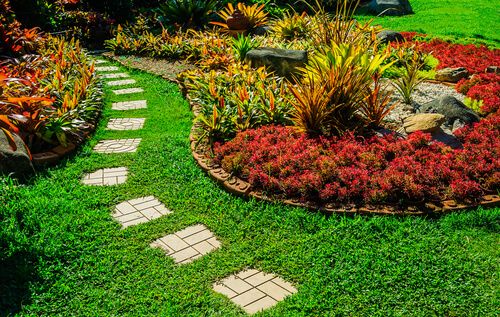
Landscapers often encounter challenges such as volatile atmospheric conditions, monetary restrictions, earth composition problems, pest invasions, and patron requirements. These elements may make project schedules difficult and influence the total achievement of the landscape project.
In What Way Does the Time of Year Influence Landscaping Work and Upkeep?
Seasons greatly impact landscaping projects and maintenance, since heat, rainfall, and light duration affect foliage development, ground status, and insect presence. Landscapers must adapt their strategies accordingly to secure favorable achievements year-round.
What is the typical timeframe for executing a landscaping project?
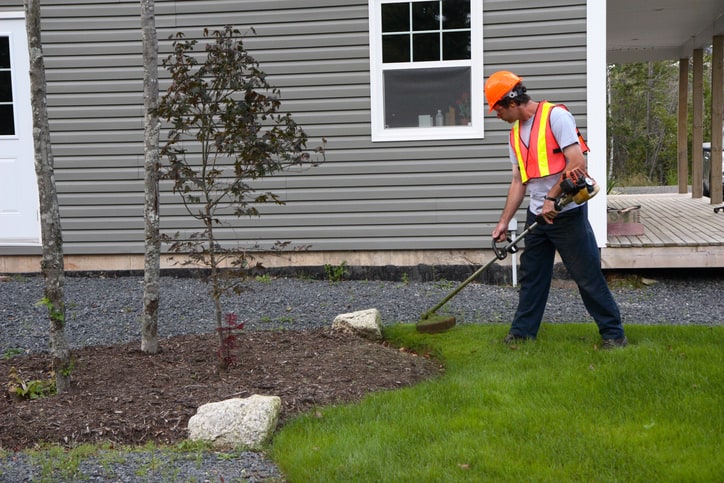
A average landscaping project timeline spans a short period to multiple months. Variables impacting the length are comprised of project complexity, climate, and seasonal considerations, requiring detailed planning and organization for it to be completed successfully.